Air duct sealing is a critical yet often overlooked aspect of maintaining an efficient HVAC system. It involves the process of identifying and sealing leaks, gaps, and holes in the ductwork that can lead to significant energy loss. When air ducts are not properly sealed, conditioned air can escape into unconditioned spaces, such as attics or crawl spaces, resulting in wasted energy and increased utility bills. Understanding the importance of air duct sealing is essential for homeowners who wish to optimize their heating and cooling systems.The significance of air duct sealing extends beyond mere energy efficiency.
Properly sealed ducts contribute to a more comfortable living environment by ensuring that heated or cooled air reaches every room in the house evenly. This not only enhances comfort but also helps maintain consistent indoor temperatures, reducing the strain on your HVAC system. Furthermore, sealed ducts can improve indoor air quality by preventing dust, allergens, and other pollutants from entering the air supply through leaks.In addition to comfort and efficiency, there are numerous benefits associated with having well-sealed air ducts. Homeowners can experience substantial savings on their energy bills, as studies indicate that up to 30% of the air moving through a typical home's duct system is lost due to leaks.
By investing in air duct sealing, you not only reduce energy waste but may also qualify for rebates or tax credits aimed at promoting energy efficiency. Moreover, a well-sealed duct system can prolong the lifespan of your HVAC equipment by reducing wear and tear caused by inefficient operation.As we delve deeper into this topic, it becomes clear that air duct sealing is not just a maintenance task; it is an investment in your home’s comfort, safety, and efficiency. By understanding its importance and benefits, homeowners can make informed decisions about their HVAC systems and take proactive steps toward creating a healthier living environment.
Why Proper Air Duct Sealing Matters
When it comes to maintaining a comfortable home, the significance of proper air duct sealing cannot be overstated. Many homeowners underestimate the impact that well-sealed air ducts have on their overall living environment.Here are several critical reasons why prioritizing air duct sealing is essential.
1.Enhanced Energy Efficiency
One of the primary benefits of sealing your air ducts is improved energy efficiency. According to the U. S. Department of Energy, up to 30% of the air moving through a typical home's duct system can be lost due to leaks, holes, and poorly connected ducts.
This loss means that your heating and cooling systems must work harder to maintain the desired temperature, leading to increased energy consumption.By ensuring that your air ducts are properly sealed, you can significantly reduce this energy loss. This not only helps in maintaining a consistent temperature throughout your home but also minimizes the workload on your HVAC system, ultimately extending its lifespan.
2.Substantial Cost Savings
With rising energy costs, homeowners are always looking for ways to save on utility bills. Properly sealed air ducts can lead to substantial cost savings over time. When your HVAC system operates more efficiently, you will notice a decrease in your monthly energy bills.
In fact, many homeowners report savings of 10-20% on their heating and cooling costs after sealing their ducts.Additionally, some utility companies offer rebates or incentives for homeowners who invest in energy-efficient upgrades, including air duct sealing. This means that not only do you save money on your bills, but you may also receive financial assistance for making these improvements.
3.Improved Comfort Levels
A well-sealed duct system contributes significantly to overall comfort in your living spaces. Leaky ducts can lead to uneven temperatures throughout your home, resulting in some rooms being too hot while others remain too cold. This inconsistency can make it difficult to achieve a comfortable environment for you and your family.By sealing your air ducts, you ensure that conditioned air reaches every corner of your home effectively.
This leads to a more balanced temperature distribution and enhances the overall comfort of your living space.
4.Healthier Indoor Air Quality
Another crucial aspect of proper air duct sealing is its impact on indoor air quality. Leaky ducts can allow dust, allergens, and even harmful gases from attics or crawl spaces to enter your living areas. This can pose health risks for you and your family, especially for those with respiratory issues or allergies.Sealing your air ducts helps prevent these contaminants from infiltrating your home, promoting a healthier indoor environment. Clean air circulation is vital for maintaining good health and well-being.In conclusion, investing in air duct sealing is not just about improving energy efficiency; it encompasses cost savings, enhanced comfort levels, and better indoor air quality.
By prioritizing this often-overlooked aspect of home maintenance, homeowners can enjoy a more comfortable and healthier living environment while also saving money in the long run.
Common Problems Caused by Unsealed Ducts
Unsealed air ducts can lead to a multitude of problems that not only affect the efficiency of your HVAC system but also compromise the comfort and safety of your home. Understanding these issues is crucial for homeowners who wish to maintain a healthy living environment.1.Energy Loss
One of the most significant consequences of unsealed air ducts is energy loss. According to the U. Department of Energy, up to 30% of the air moving through a typical home's duct system can be lost due to leaks, holes, and poorly connected ducts.
This means that a substantial portion of your heating and cooling efforts is wasted, leading to:
- Increased Energy Bills: When conditioned air escapes through unsealed ducts, your HVAC system has to work harder to maintain the desired temperature, resulting in higher energy costs.
- Inconsistent Temperatures: Rooms may become too hot or too cold, making it difficult to achieve a comfortable indoor climate.
2.Poor Indoor Air Quality
Unsealed ducts can also contribute to poor indoor air quality. When there are leaks in the ductwork, outside air, dust, allergens, and even pollutants can enter your home. This can lead to:
- Increased Allergens: Dust, pollen, and other allergens can circulate throughout your home, exacerbating allergies and respiratory issues.
- Mold Growth: Moisture from outside air can create an environment conducive to mold growth within the ducts, which can then spread spores throughout your living space.
3.Health Risks
The health implications of unsealed air ducts cannot be overstated. Poor indoor air quality can lead to various health issues, including:
- Respiratory Problems: Individuals with asthma or other respiratory conditions may experience worsened symptoms due to increased exposure to airborne irritants.
- Headaches and Fatigue: Poor ventilation and high levels of indoor pollutants can lead to chronic headaches and fatigue among occupants.
By addressing these issues through proper sealing techniques, homeowners can enhance their comfort, improve indoor air quality, and safeguard their health.
Methods of Air Duct Sealing
When it comes to air duct sealing, homeowners have several methods at their disposal, each with its own set of advantages and disadvantages. Understanding these options can help you make an informed decision about the best approach for your home.Traditional Sealing Methods
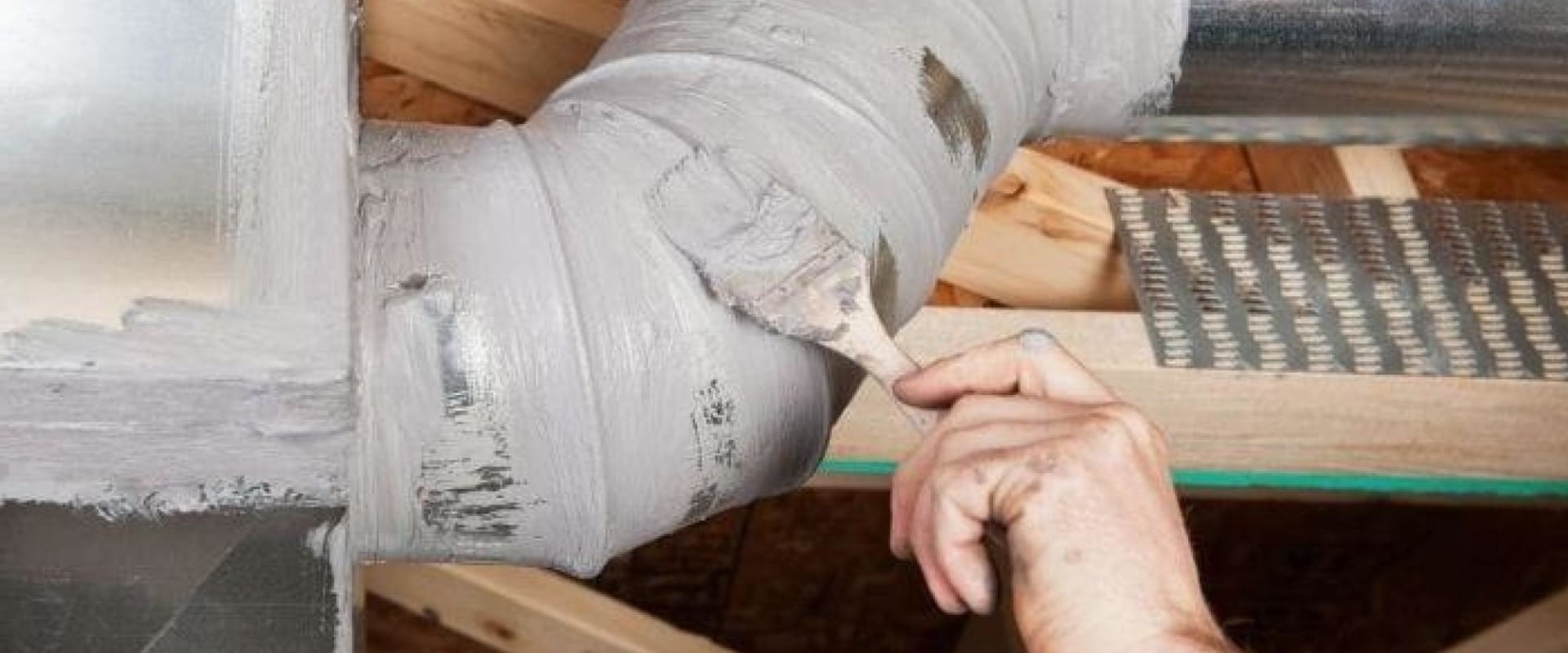
One of the most common traditional methods for sealing air ducts is the use of duct tape. While it is widely available and easy to apply, it is important to note that not all duct tape is created equal. Many types of duct tape can degrade over time, especially when exposed to heat or moisture, leading to potential leaks down the line.Another traditional method involves the use of mastic sealant.This thick, paste-like substance is applied directly to the seams and joints of ductwork. Mastic provides a durable seal that can withstand temperature fluctuations and is less likely to deteriorate compared to duct tape. However, applying mastic can be messy and requires some skill to ensure a proper seal.
Modern Solutions
In recent years, innovative solutions like Aeroseal have emerged as effective alternatives for sealing air ducts. Aeroseal is a patented technology that involves blowing a sealant into the ductwork, where it adheres to leaks and holes from the inside out.This method is particularly advantageous because it can reach areas that are difficult to access and does not require extensive manual labor. Additionally, Aeroseal has been shown to significantly reduce air leakage, often by up to 90%.
Best Practices for Sealing Ducts
Regardless of the method chosen, there are some best practices to keep in mind:- Conduct a thorough inspection: Before sealing, inspect your ductwork for visible signs of damage or wear.
- Clean the ducts: Ensure that ducts are clean and free from dust or debris before applying any sealant.
- Follow manufacturer instructions: Whether using mastic or Aeroseal, always adhere to the manufacturer's guidelines for application.
- Consider professional help: If you're unsure about sealing your ducts yourself, hiring a professional can ensure that the job is done correctly and efficiently.
Choosing the Right Sealant for Your Ducts
When it comes to air duct sealing, selecting the right sealant is crucial for ensuring optimal performance and longevity of your HVAC system. With various options available, understanding the characteristics and applications of each type can help you make an informed decision.Types of Sealants
- Adhesive Tape: This is one of the most common methods for sealing duct joints. High-quality adhesive tapes, such as butyl tape, are designed to withstand temperature fluctuations and provide a reliable seal.
However, they may not be suitable for all duct materials.
- Duct Mastic: A thick paste that can be applied to seams and joints, duct mastic offers excellent adhesion and flexibility. It is particularly effective in high-temperature environments and can fill gaps that tape might miss.
- Aeroseal: This innovative sealant is blown into the ductwork, where it adheres to leaks from the inside out. Aeroseal is highly effective for hard-to-reach areas and can significantly reduce air loss without requiring extensive manual labor.
- Putty Sealants: These are often used for specific applications where a more durable seal is needed. While they can provide a strong bond, they may require more skill to apply effectively.
Factors to Consider
When choosing a sealant for your ducts, consider the following factors:- Material Compatibility: Ensure that the sealant you choose is compatible with the material of your ducts (e.g., metal, fiberglass, or flexible ducts).
- Temperature Resistance: Different sealants have varying temperature tolerances.
Select a product that can withstand the temperature extremes typical in your HVAC system.
- Ease of Application: Some sealants require professional installation, while others can be applied by homeowners. Assess your comfort level with DIY projects before making a choice.
- Longevity and Durability: Look for products that offer long-lasting seals to minimize future maintenance needs.
The Role of Professionals in Air Duct Sealing
When it comes to air duct sealing, the expertise of professionals cannot be overstated. While some homeowners may consider tackling this task on their own, the complexities involved in ensuring a proper seal often require specialized knowledge and tools that only trained HVAC experts possess.Understanding the Importance of Professional Services
Professional air duct sealing services offer a range of benefits that go beyond just achieving a tight seal.
Here are some key reasons why hiring an HVAC expert is essential:Here are some key reasons why hiring an HVAC expert is essential:
- Expert Assessment: Professionals can conduct a thorough inspection of your ductwork to identify leaks, poor connections, and other issues that may not be visible to the untrained eye. This comprehensive assessment ensures that all problem areas are addressed.
- Advanced Techniques: HVAC experts are familiar with the latest sealing technologies and methods, such as Aeroseal, which can effectively seal ducts from the inside out. This technique is particularly beneficial for hard-to-reach areas.
- Quality Assurance: When you hire professionals, you can expect a level of quality and reliability that DIY methods often lack. Many professional services also offer warranties on their work, providing peace of mind that your investment is protected.
When to Hire HVAC Experts
Knowing when to call in the professionals is crucial for maintaining an efficient HVAC system.
Consider hiring an expert if:
- You notice significant fluctuations in your home’s temperature.
- Your energy bills have increased unexpectedly without any changes in usage.
- You hear unusual noises coming from your ductwork.
- You experience poor indoor air quality or notice dust accumulation around vents.
The Benefits of Professional Sealing
Investing in professional air duct sealing not only enhances the efficiency of your heating and cooling systems but also contributes to a healthier living environment. Properly sealed ducts minimize the risk of contaminants entering your home, ensuring that the air you breathe is clean and safe. Additionally, by improving energy efficiency, you can enjoy lower utility bills and extend the lifespan of your HVAC equipment.In conclusion, while DIY projects can be rewarding, air duct sealing is one area where professional expertise truly makes a difference. By consulting with HVAC professionals, you ensure that your air ducts are sealed correctly, leading to improved comfort, safety, and energy savings in your home.
DIY Air Duct Sealing: Is It Worth It?
When it comes to air duct sealing, many homeowners may consider taking the DIY route.While this approach can save money, it’s essential to weigh the pros and cons before diving into the project.
Pros of DIY Air Duct Sealing
- Cost Savings: One of the most significant advantages of sealing your air ducts yourself is the potential for cost savings. Hiring a professional can be expensive, and by doing it yourself, you can allocate those funds elsewhere.
- Immediate Results: If you notice drafts or inconsistent temperatures in your home, sealing your ducts can provide immediate relief. You can tackle the project at your own pace and see results quickly.
- Learning Experience: Engaging in a DIY project can be rewarding. You’ll gain valuable knowledge about your HVAC system and how it operates, which can help you with future maintenance tasks.
Cons of DIY Air Duct Sealing
- Potential for Mistakes: Without proper training, it’s easy to make mistakes that could lead to further issues down the line.
Poorly sealed ducts can result in air leaks, which may negate any savings you hoped to achieve.
- Lack of Specialized Tools: Professional HVAC technicians have access to specialized tools and materials that may not be readily available to the average homeowner. This can affect the quality of your seal.
- Time-Consuming: Depending on the size and complexity of your duct system, sealing air ducts can be a time-consuming task. If you have a busy schedule, this might not be the best option for you.
When to Consider DIY Air Duct Sealing
If you’re handy and have experience with home improvement projects, tackling air duct sealing might be a feasible option for you. Here are some scenarios where DIY sealing could be appropriate:
- If you have minor leaks or gaps that are easily accessible.
- If you’re looking to perform routine maintenance on an older system.
- If you want to supplement professional work with additional sealing in less critical areas.
If in doubt, consulting with a professional can ensure that your HVAC system operates efficiently and effectively.
Maintaining Your Sealed Duct System
Maintaining a sealed duct system is crucial for ensuring the long-term efficiency and performance of your HVAC system. Regular maintenance not only helps in preserving the integrity of the seals but also enhances the overall air quality in your home. Here are some essential tips for maintaining your sealed ducts:- Regular Inspections: Schedule routine inspections of your ductwork at least once a year. Look for any visible signs of wear, such as cracks or loose connections, which could compromise the seal.
- Change Air Filters: Replace your HVAC system's air filters regularly, ideally every 1-3 months.
Clogged filters can restrict airflow and put additional strain on your duct system.
- Keep Vents Clear: Ensure that all supply and return vents are unobstructed by furniture, curtains, or other objects. This allows for optimal airflow and reduces pressure on the duct system.
- Seal Gaps Promptly: If you notice any gaps or leaks during your inspections, address them immediately. Use appropriate sealing materials to maintain the integrity of your ducts.
- Monitor Humidity Levels: High humidity can lead to mold growth within ducts. Use a dehumidifier if necessary to keep humidity levels in check.
Here are some common indicators that your sealed ducts may need attention:
- Inconsistent Temperatures: If certain rooms in your home are significantly warmer or cooler than others, it may indicate a problem with your ductwork.
- Unusual Noises: Listen for any strange sounds, such as rattling or whistling, which could suggest loose or damaged ducts.
- Increased Energy Bills: A sudden spike in energy costs can be a sign that your HVAC system is working harder due to leaks or inefficiencies in the duct system.
- Mold or Dust Accumulation: If you notice an increase in dust around vents or signs of mold growth, it may indicate that air is escaping from the ducts.
Frequently Asked Questions about Air Duct Sealing
When it comes to air duct sealing, many homeowners have questions and misconceptions that can lead to confusion. Below, we address some of the most frequently asked questions to provide clarity on this essential aspect of HVAC maintenance.- What is air duct sealing?
Air duct sealing is the process of identifying and repairing leaks, holes, and gaps in your ductwork. This ensures that the air flowing through your HVAC system reaches its intended destinations without any loss of efficiency. - Why is air duct sealing important?
Properly sealed ducts can significantly improve the efficiency of your heating and cooling systems, reduce energy bills, and enhance indoor air quality.By preventing conditioned air from escaping, you ensure that your home remains comfortable while minimizing energy waste.
- How do I know if my ducts need sealing?
Signs that your ducts may need sealing include uneven temperatures in different rooms, high energy bills, excessive dust accumulation, and strange noises coming from the ductwork. A professional inspection can also help identify any issues. - Can I seal my ducts myself?
While some homeowners may attempt DIY sealing using tape or mastic, it is often best to consult with professionals. They have the tools and expertise to ensure a thorough job, especially in hard-to-reach areas. - What materials are used for sealing ducts?
Common materials include high-quality adhesive tape, mastic sealant, and newer technologies like Aeroseal, which can seal ducts from the inside out without requiring manual access. - Are there any misconceptions about air duct sealing?
One common misconception is that all duct systems are inherently efficient. In reality, many systems suffer from leaks that can lead to significant energy loss.Another myth is that sealing ducts is an unnecessary expense; however, the long-term savings on energy bills often outweigh the initial costs.
Conclusion: The Long-Term Benefits of Properly Sealed Air Ducts
In summary, the significance of properly sealed air ducts cannot be overstated. Throughout this article, we have explored various aspects of air duct sealing, emphasizing its critical role in enhancing energy efficiency, ensuring safety, and improving overall comfort within your home.One of the most compelling reasons to invest in air duct sealing is the potential for substantial energy savings. With studies indicating that 20-30% of heated or cooled air can be lost through leaks and poorly connected ducts, homeowners are often paying for energy that never reaches its intended destination.By sealing these ducts effectively, you can significantly reduce your energy bills and contribute to a more sustainable environment.Moreover, the health implications associated with unsealed air ducts are profound. Inadequate sealing can allow harmful pollutants and gases to infiltrate your living space, posing risks to your family’s well-being. By ensuring that your air ducts are properly sealed, you not only enhance the efficiency of your HVAC system but also create a safer indoor environment.Comfort is another vital aspect that benefits from well-sealed air ducts. A properly functioning HVAC system maintains consistent temperatures throughout your home, eliminating hot or cold spots that can lead to discomfort.
This consistency is particularly important during extreme weather conditions when reliable heating or cooling is essential.Finally, investing in professional air duct sealing services can lead to long-term benefits for your HVAC system itself. A well-maintained duct system reduces wear and tear on your heating and cooling appliances, potentially extending their lifespan and improving their performance. This proactive approach not only saves you money on repairs but also enhances the overall efficiency of your home’s heating and cooling systems.In conclusion, the long-term benefits of properly sealed air ducts extend far beyond immediate cost savings. They encompass energy efficiency, health safety, comfort, and the longevity of your HVAC system.
By prioritizing air duct sealing as part of your home maintenance routine, you are making a wise investment in both your home’s future and your family’s well-being.