Air ducts are the unsung heroes of your home’s HVAC system, playing a pivotal role in ensuring that your living environment remains comfortable throughout the year. These conduits are responsible for the distribution of heated or cooled air from your HVAC unit to various rooms in your house. When functioning optimally, air ducts help maintain a consistent temperature, improve indoor air quality, and enhance overall comfort. However, when they are compromised by leaks or disconnections, the efficiency of your entire heating and cooling system can be severely affected.The significance of air ducts extends beyond mere temperature control.
They also influence the quality of the air you breathe indoors. Dust, allergens, and other pollutants can accumulate within unsealed or dirty ducts, leading to poor indoor air quality that can exacerbate allergies and respiratory issues. Therefore, understanding how air ducts operate and their impact on home comfort is essential for any homeowner looking to create a healthy living space.Moreover, the efficiency of your HVAC system is directly linked to the condition of your air ducts. When ducts are sealed properly, they minimize energy loss and ensure that the conditioned air reaches its intended destination without unnecessary waste.
This not only leads to lower energy bills but also contributes to a more sustainable household by reducing your carbon footprint. As we delve deeper into the importance of sealing ducts, it becomes clear that maintaining these vital components is crucial for achieving optimal energy efficiency and indoor comfort.
The Consequences of Unsealed Ducts
Unsealed ducts can lead to a multitude of issues that significantly impact both energy efficiency and indoor comfort. Understanding these consequences is crucial for homeowners who wish to maintain a healthy and cost-effective living environment.Energy Loss
One of the most pressing issues associated with unsealed ducts is energy loss. When ducts are not properly sealed, conditioned air can escape into unconditioned spaces, such as attics or crawl spaces.
This leakage can account for a staggering 20-30% of the energy used for heating and cooling in a home. As a result, homeowners may find themselves facing inflated utility bills without any corresponding increase in comfort.
Uneven Temperatures
Another significant consequence of duct leaks is the creation of uneven temperatures throughout the home. Rooms that are farthest from the HVAC unit often receive less conditioned air, leading to hot and cold spots. For instance, you might find that your living room is sweltering while your bedroom remains uncomfortably chilly.
This inconsistency not only affects comfort but can also lead to increased wear and tear on your HVAC system as it works harder to compensate for these imbalances.
Poor Indoor Air Quality
Unsealed ducts can also contribute to poor indoor air quality. Leaks allow dust, allergens, and other pollutants from unconditioned spaces to enter the duct system, which can then be circulated throughout your home. This can exacerbate respiratory issues and allergies, making it essential for homeowners to address duct sealing as part of their overall indoor air quality strategy.
Increased Maintenance Costs
Over time, the inefficiencies caused by unsealed ducts can lead to increased maintenance costs for your HVAC system. As the system struggles to maintain desired temperatures, components may wear out more quickly, necessitating repairs or replacements that could have been avoided with proper duct sealing.In summary, the consequences of unsealed ducts extend beyond mere discomfort; they encompass energy inefficiency, uneven temperatures, poor indoor air quality, and increased maintenance costs.
Addressing these issues promptly is vital for creating a comfortable and efficient home environment.
Identifying Signs of Duct Leaks
Identifying signs of duct leaks is crucial for maintaining energy efficiency and ensuring a comfortable indoor environment. Homeowners can take proactive steps to detect these leaks before they lead to significant issues. Here are some effective methods for identifying duct leaks:Visual Inspection
A thorough visual inspection of your ductwork can reveal many signs of potential leaks. Here are key areas to focus on:- Connections and Joints: Examine all connections between ducts, especially at joints and bends.
Look for gaps or loose fittings that may allow air to escape.
- Insulation Damage: Check the insulation surrounding your ducts. If you notice any damp spots, mold, or areas where the insulation is missing or damaged, this could indicate a leak.
- Old Tape or Sealant: Inspect any tape or sealant used on the ducts. If it appears worn, cracked, or peeling, it may no longer be effective in sealing the ducts. Inspect any tape or sealant used on the ducts. If it appears worn, cracked, or peeling, it may no longer be effective in sealing the ducts.
Temperature Variations
Another sign of duct leaks is uneven temperature distribution throughout your home. If certain rooms are consistently warmer or cooler than others, this could indicate that conditioned air is escaping through leaks in the duct system.Pay attention to:
- Hot and Cold Spots: Identify areas in your home that feel significantly different in temperature compared to others.
- Increased Energy Bills: A sudden spike in your utility bills can also be a sign of duct leaks, as your HVAC system works harder to maintain desired temperatures.
Sound and Airflow
Listen for unusual sounds coming from your ducts. Whistling or hissing noises can indicate that air is escaping through small openings. Additionally, check the airflow from your vents:- Weak Airflow: If some vents have weak airflow compared to others, it may suggest that air is leaking out before reaching its intended destination.
The Impact of Duct Sealing on Energy Efficiency
Sealing your air ducts is not just a maintenance task; it is a crucial step towards enhancing your home’s energy efficiency and overall comfort.When ducts are properly sealed, they can significantly reduce the amount of conditioned air that escapes into unconditioned spaces, leading to a more efficient HVAC system.
Benefits of Duct Sealing
- Improved Energy Efficiency: According to the U. S. Department of Energy, sealing and insulating ducts can improve energy efficiency by as much as 20%. This means that your heating and cooling systems will not have to work as hard to maintain the desired temperature, ultimately leading to lower energy consumption.
- Lower Utility Bills: With improved energy efficiency comes reduced utility bills.
Homeowners who invest in duct sealing often notice a significant decrease in their monthly energy costs. In fact, some studies suggest that homeowners can save between $200 and $300 annually on their energy bills after sealing their ducts.
- Enhanced HVAC Performance: A well-sealed duct system allows for optimal airflow, which enhances the performance of your HVAC system. This means that your heating and cooling units will operate more effectively, providing consistent temperatures throughout your home.
- Improved Indoor Air Quality: Sealing ducts also helps prevent dust, allergens, and other pollutants from entering your living spaces. This leads to better indoor air quality, which is especially important for individuals with allergies or respiratory issues.
Expert Insights
HVAC professionals emphasize the importance of regular duct inspections and sealing as part of routine home maintenance.
They recommend using specialized tools such as blower doors and duct blasters to identify leaks accurately. By addressing these issues proactively, homeowners can avoid costly repairs and ensure their HVAC systems operate at peak efficiency.In conclusion, the impact of duct sealing on energy efficiency cannot be overstated. By investing in this essential service, homeowners not only enhance their comfort but also contribute to a more sustainable environment while enjoying significant savings on utility bills.
DIY Duct Sealing: What You Need to Know
For homeowners looking to enhance their energy efficiency and indoor comfort, DIY duct sealing can be a rewarding project. However, it’s essential to approach this task with the right knowledge and tools.Below are some practical tips and guidelines to help you successfully seal your ducts.
Essential Materials for Duct Sealing
- Duct tape: While it may seem like an obvious choice, not all duct tape is created equal. Look for high-quality, UL-listed duct tape specifically designed for HVAC applications.
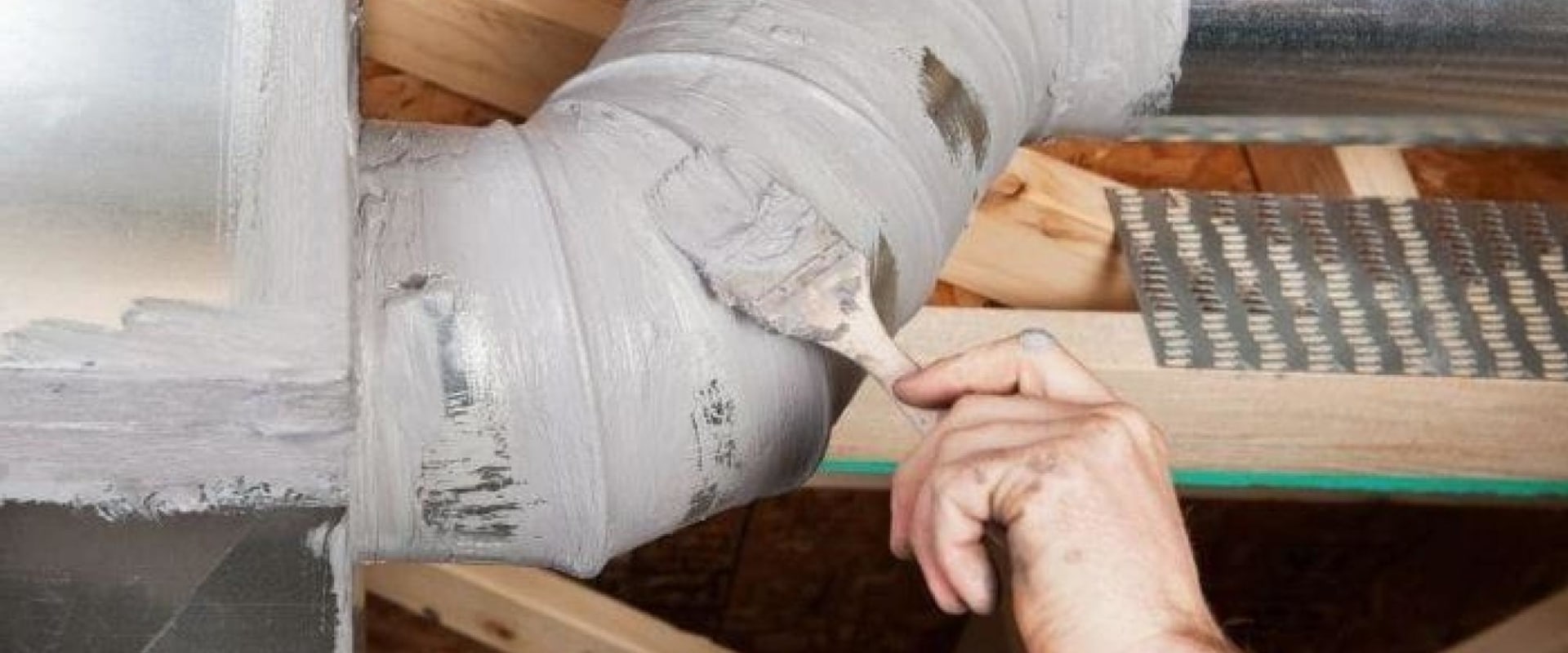
- Mastic sealant: This is a thick, paste-like substance that can be applied to larger gaps and seams. It provides a more durable seal than tape alone.
- Foam gaskets: These can be used to seal around duct connections and flanges, providing an additional layer of insulation.
- Insulation material: If your ducts are located in unconditioned spaces, consider using insulation sleeves or wraps to prevent energy loss.
- Safety gear: Always wear gloves, a mask, and safety goggles to protect yourself from dust and debris while working.
Steps for Sealing Ducts Yourself
- Inspect your ducts: Begin by visually inspecting your ductwork for any visible gaps, holes, or disconnected sections. Pay special attention to joints and connections.
- Clean the surfaces: Before applying any sealant or tape, ensure that the surfaces are clean and dry.
Use a damp cloth to wipe away dust and debris.
- Apply mastic sealant: For larger gaps, use a brush or your fingers to apply mastic sealant generously over the area. Allow it to dry according to the manufacturer’s instructions.
- Tape smaller leaks: For smaller holes or seams, use duct tape to cover them securely. Ensure that the tape adheres well by pressing down firmly.
- Insulate exposed ducts: If your ducts run through unconditioned spaces like attics or basements, wrap them in insulation material to minimize energy loss.
When to Call a Professional
While many homeowners can successfully seal their ducts themselves, there are situations where it’s best to call in a professional. If you notice extensive damage, such as significant corrosion or mold growth within your ductwork, it may indicate deeper issues that require expert attention.Additionally, if you feel uncomfortable working in tight spaces or lack the necessary tools, hiring a professional can save you time and ensure the job is done correctly.In conclusion, DIY duct sealing can significantly improve your home’s energy efficiency and comfort when done correctly. By following these tips and knowing when to seek professional help, you can take proactive steps toward a more efficient home environment.
Maintaining Your Duct System for Long-Term Efficiency
To ensure the long-term efficiency of your duct system, regular maintenance is essential. Just like any other component of your home, ducts require attention to function optimally and to prevent costly repairs down the line. Here are some key maintenance tips to keep your air duct system in top shape:- Schedule Regular Inspections: It is advisable to have your duct system inspected at least once every five years.
During these inspections, professionals can identify potential issues such as leaks, blockages, or damage that may not be visible to the untrained eye.
- Clean Your Ducts: Dust, debris, and allergens can accumulate in your ducts over time, affecting indoor air quality and system efficiency. Consider scheduling a professional duct cleaning every three to five years, or more frequently if you have pets or allergies.
- Check for Air Leaks: Regularly inspect accessible sections of your ductwork for signs of air leaks. Look for disconnected joints, gaps, or areas where insulation is missing. Sealing these leaks can significantly improve energy efficiency.
- Replace Filters Regularly: Clogged filters can restrict airflow and force your HVAC system to work harder.
Change or clean filters every one to three months, depending on usage and the type of filter you have.
- Monitor Humidity Levels: High humidity can lead to mold growth within ducts. Use a dehumidifier if necessary and ensure that your HVAC system is properly sized for your home to maintain optimal humidity levels.
The Environmental Benefits of Sealing Ducts
In an era where environmental consciousness is paramount, the importance of air duct sealing extends beyond mere comfort and energy savings.By addressing duct leaks, homeowners can significantly contribute to environmental sustainability and reduce their overall carbon footprint.When air ducts are not properly sealed, they can lead to substantial energy waste. According to the U. Department of Energy, up to 30% of the air that moves through duct systems can be lost due to leaks, holes, and poorly connected ducts. This inefficiency not only drives up energy bills but also increases the demand for energy production, which often relies on fossil fuels.
By sealing ducts effectively, homeowners can minimize this energy loss, thereby reducing the need for excessive energy consumption.Moreover, reducing energy consumption directly correlates with lower carbon emissions. Each kilowatt-hour of electricity generated contributes to greenhouse gas emissions, particularly if sourced from non-renewable resources. By ensuring that your HVAC system operates at peak efficiency through proper duct sealing, you are actively participating in the fight against climate change.Additionally, sealed ducts improve indoor air quality by preventing dust, allergens, and pollutants from entering the air supply. This not only enhances the health of your household but also reduces the need for air purification systems that consume additional energy.
A cleaner indoor environment promotes better health outcomes and reduces reliance on energy-intensive solutions.For eco-conscious homeowners looking to adopt sustainable practices, sealing ducts is a straightforward yet impactful step. Here are some key benefits:
- Energy Efficiency: Sealed ducts ensure that your heating and cooling systems work efficiently, leading to lower energy consumption.
- Reduced Carbon Footprint: By minimizing energy waste, you contribute to a decrease in greenhouse gas emissions associated with energy production.
- Improved Indoor Air Quality: Properly sealed ducts prevent contaminants from entering your home’s air supply, promoting a healthier living environment.
- Sustainable Home Practices: Incorporating duct sealing into your home maintenance routine aligns with broader sustainability goals.
Frequently Asked Questions About Air Duct Sealing
When it comes to air duct sealing, many homeowners have questions and concerns. Understanding the process and its benefits can help alleviate any doubts.Here are some frequently asked questions about duct sealing:
What is air duct sealing?
Air duct sealing involves identifying and repairing leaks, gaps, and holes in your ductwork. This process ensures that the air being heated or cooled by your HVAC system is effectively delivered to each room in your home, minimizing energy loss and improving indoor comfort.Why is air duct sealing important?
Sealing your ducts is crucial for several reasons:- Energy Efficiency: Properly sealed ducts can reduce energy loss by up to 20-30%, leading to lower utility bills.
- Improved Comfort: Sealed ducts help maintain consistent temperatures throughout your home, eliminating hot or cold spots.
- Better Indoor Air Quality: Sealing prevents dust, allergens, and pollutants from entering your duct system, resulting in cleaner air.
How do I know if my ducts need sealing?
There are several signs that may indicate your ducts require sealing:- Uneven temperatures in different rooms.
- Increased energy bills without a corresponding increase in usage.
- Visible dust or debris around vents.
- Noisy airflow or whistling sounds from the ducts.
Are there any myths about air duct sealing?
Yes, several misconceptions exist regarding duct sealing:- Myth 1: Duct sealing is unnecessary if my HVAC system is new. This is false; even new systems can have leaks that need addressing.
- Myth 2: Sealing ducts will make my home too airtight. A properly sealed system allows for adequate ventilation while minimizing leaks.
- Myth 3: I can seal my ducts myself.
While DIY methods exist, professional sealing ensures thoroughness and effectiveness.
Conclusion: The Essential Role of Duct Sealing in Home Comfort and Efficiency
In summary, the significance of air duct sealing cannot be overstated when it comes to enhancing both energy efficiency and indoor comfort in your home. Throughout this article, we have explored the various aspects of duct sealing, from identifying the signs of unsealed ducts to understanding the detrimental effects they can have on your living environment.Unsealed ducts can lead to a myriad of issues, including:- Inconsistent Temperatures: Rooms may experience drastic temperature variations, making some areas uncomfortably hot while others remain too cold.
- Increased Energy Bills: Duct leaks can account for a significant portion of energy loss, with estimates suggesting up to 20-30% of HVAC energy can be wasted due to unsealed ducts.
- Poor Indoor Air Quality: Leaky ducts can draw in dust, allergens, and pollutants from unconditioned spaces, compromising the air quality in your home.
Whether it’s scheduling a professional inspection or investing in duct sealing services, every step you take towards improving your duct system is a step towards a more comfortable and energy-efficient home.Don’t wait for problems to escalate; make duct sealing a priority today. Your home—and your wallet—will thank you for it.