Air duct sealing is a crucial yet often overlooked aspect of maintaining an efficient HVAC system. It involves the process of identifying and sealing leaks, gaps, and holes in the ductwork that can lead to significant energy loss. When air ducts are not properly sealed, conditioned air can escape into unoccupied spaces like attics or crawl spaces, making your heating and cooling systems work harder than necessary. This inefficiency not only increases energy bills but also diminishes the overall comfort of your home.Understanding the importance of air duct sealing begins with recognizing its benefits.
Properly sealed ducts can lead to improved energy efficiency, which translates to lower utility costs. In fact, studies have shown that homeowners can save up to 20% on their energy expenses simply by ensuring their air ducts are sealed correctly. Additionally, sealing ducts helps maintain consistent temperatures throughout your home, eliminating those frustrating hot or cold spots that can make living spaces uncomfortable.The process of air duct sealing typically involves a thorough inspection of your ductwork to identify any potential leaks. Professionals use specialized tools and techniques, such as smoke testing or infrared cameras, to pinpoint areas where air may be escaping.
Once identified, these leaks are sealed using high-quality materials designed for durability and effectiveness. This not only enhances the performance of your HVAC system but also contributes to better indoor air quality by preventing dust, allergens, and other contaminants from entering your living space.In summary, understanding air duct sealing is essential for any homeowner looking to optimize their HVAC system's performance. By addressing leaks and ensuring that your ductwork is airtight, you can enjoy a more comfortable home environment while also reaping the financial rewards of reduced energy consumption.
The Importance of Proper Air Duct Sealing
Proper air duct sealing is a critical component of maintaining an efficient HVAC system and ensuring a comfortable living environment. When air ducts are not adequately sealed, they can become a source of significant energy loss, leading to higher utility bills and reduced system performance.One of the primary reasons to seal air ducts is to enhance energy efficiency.According to the U. S. Department of Energy, up to 30% of the air that moves through duct systems can be lost due to leaks, holes, or poorly connected ducts. This means that your heating and cooling systems must work harder to maintain the desired temperature, resulting in increased energy consumption and costs.
By sealing these leaks, homeowners can significantly reduce their energy bills while also minimizing their carbon footprint.In addition to energy savings, properly sealed air ducts contribute to improved indoor air quality. Leaky ducts can draw in dust, allergens, and other pollutants from unconditioned spaces like attics or crawl spaces. These contaminants can circulate throughout your home, potentially leading to health issues for you and your family. Sealing your air ducts helps prevent these harmful particles from entering your living space, promoting a healthier indoor environment.Moreover, sealing air ducts can enhance the overall comfort of your home.
When air leaks occur, certain rooms may receive less conditioned air than others, resulting in uneven temperatures throughout the house. This inconsistency can lead to discomfort and dissatisfaction with your HVAC system's performance. By ensuring that your air ducts are properly sealed, you can achieve more balanced airflow and consistent temperatures across all areas of your home.Another important aspect of air duct sealing is its role in prolonging the lifespan of your HVAC system. When your heating and cooling units are forced to work harder due to inefficient ductwork, they experience increased wear and tear.
This can lead to more frequent repairs and ultimately shorten the lifespan of the system. By investing in proper sealing now, you can save on costly repairs and replacements in the future.In summary, the importance of air duct sealing cannot be overstated. It not only leads to substantial energy savings but also improves indoor air quality, enhances comfort levels, and extends the life of your HVAC system. For homeowners looking to optimize their heating and cooling efficiency, sealing air ducts is a crucial step that should not be overlooked.
Energy Efficiency and Cost Savings
When it comes to maintaining a comfortable home environment, the efficiency of your air ducts plays a crucial role.Properly sealed air ducts not only enhance the overall performance of your HVAC system but also contribute significantly to energy efficiency, leading to substantial cost savings on your utility bills.One of the primary benefits of sealing air ducts is the reduction in energy loss. When air ducts are leaky, conditioned air escapes into unoccupied spaces like attics or crawl spaces, forcing your heating and cooling systems to work harder to maintain the desired temperature. This inefficiency can lead to increased energy consumption, which directly translates into higher utility bills.According to the U. Department of Energy, sealing and insulating ducts can improve system efficiency by as much as 20%.
This means that homeowners can expect to see a noticeable decrease in their monthly energy expenses once their air ducts are properly sealed. The initial investment in duct sealing can often be recouped within a year through these savings alone.Moreover, energy-efficient air ducts contribute to a more consistent indoor climate. When air is distributed evenly throughout your home, it reduces the likelihood of hot or cold spots, enhancing comfort levels for all occupants. This consistency not only improves comfort but also allows your HVAC system to operate more efficiently, further reducing energy costs.In addition to immediate savings on energy bills, properly sealed air ducts can extend the lifespan of your HVAC system.
When your system doesn’t have to work as hard due to leaks and inefficiencies, it experiences less wear and tear. This can lead to fewer repairs and a longer operational life for your heating and cooling equipment, ultimately saving you money in the long run.To maximize these benefits, it’s essential to have a professional assess your ductwork for leaks and ensure that they are sealed correctly. Regular maintenance and inspections can help identify potential issues before they become costly problems, allowing you to maintain an efficient and cost-effective home environment.In summary, investing in air duct sealing is a smart decision for homeowners looking to enhance energy efficiency and achieve significant cost savings on their utility bills. By ensuring that your air ducts are properly sealed, you not only improve comfort but also protect your investment in your home’s heating and cooling systems.
Improving Indoor Air Quality
One of the most significant advantages of air duct sealing is its profound impact on indoor air quality.When air ducts are properly sealed, they act as a barrier against various contaminants that can infiltrate your home. This is particularly important because the air we breathe indoors can often be more polluted than outdoor air, primarily due to the accumulation of dust, allergens, and other harmful particles.Contaminants such as mold spores, pet dander, pollen, and volatile organic compounds (VOCs) can easily enter unsealed ducts. These pollutants not only compromise the quality of the air but can also lead to serious health issues for you and your family. By ensuring that your air ducts are sealed effectively, you can significantly reduce the risk of these harmful substances circulating throughout your living space.
Health Benefits of Sealed Air Ducts
Improving indoor air quality through air duct sealing has several health benefits:- Reduction in Allergens: Sealed ducts prevent allergens from entering your home, which is especially beneficial for individuals with allergies or asthma.
Cleaner air means fewer allergy attacks and respiratory issues.
- Decreased Risk of Illness: Contaminants in the air can lead to various health problems, including respiratory infections and chronic illnesses. By sealing your ducts, you minimize exposure to these harmful agents.
- Enhanced Comfort: Properly sealed ducts help maintain consistent temperatures throughout your home, reducing drafts and creating a more comfortable living environment.
By preventing contaminants from entering your living space, you create a safer and more comfortable environment for everyone in your home.
Extending HVAC System Lifespan
One of the most significant advantages of air duct sealing is its ability to extend the lifespan of your HVAC system. When air ducts are properly sealed, they minimize the amount of air leakage that can occur throughout your home. This reduction in leakage not only enhances energy efficiency but also alleviates unnecessary strain on your heating and cooling systems.When air ducts are leaky, your HVAC system must work harder to maintain the desired temperature. This increased workload can lead to several issues:- Increased Wear and Tear: The more your HVAC system has to operate to compensate for lost air, the faster its components will wear out.
This can lead to more frequent repairs and ultimately a shorter lifespan.
- Higher Energy Consumption: A struggling HVAC system consumes more energy, which not only raises your utility bills but also places additional stress on the system itself.
- Inconsistent Temperature Control: Poorly sealed ducts can result in uneven heating and cooling throughout your home, causing the system to cycle on and off more frequently. This constant cycling can lead to premature failure of critical components.
When ducts are sealed effectively, they prevent contaminants from entering the airflow, which can otherwise lead to respiratory issues and other health problems. A healthier environment not only benefits you and your family but also reduces the likelihood of needing repairs due to health-related HVAC issues.In conclusion, sealing your air ducts is a proactive measure that can lead to a longer-lasting HVAC system. By reducing strain and improving efficiency, you not only save money on energy bills but also extend the life of one of your home's most essential systems. Regular maintenance and timely sealing can ensure that your HVAC operates smoothly for years to come.
Financial Benefits Beyond Energy Savings
While the immediate benefits of air duct sealing often center around energy savings, the financial advantages extend far beyond just lower utility bills.Homeowners who invest in sealing their air ducts can experience a range of additional financial benefits that can enhance their overall investment in their property.
Increased Home Value
One of the most significant financial benefits of properly sealed air ducts is the potential increase in home value. In today’s real estate market, energy efficiency is a key selling point for prospective buyers. Homes that demonstrate lower energy costs and improved air quality are often more attractive, leading to higher offers. A well-maintained HVAC system, supported by sealed ducts, can be a major factor in appraisals and negotiations.
Cost-Effective Home Improvements
Sealing air ducts is a relatively low-cost improvement compared to other home renovations.
When homeowners consider upgrades to their heating and cooling systems, they often overlook the importance of ductwork. By investing in air duct sealing, homeowners can achieve significant energy efficiency without the hefty price tag associated with new HVAC systems. This makes it a smart choice for those looking to enhance their home’s performance without breaking the bank.
Reduced Repair Costs
Another financial advantage of sealing air ducts is the reduction in repair costs associated with HVAC systems. When air leaks occur, the HVAC unit must work harder to maintain desired temperatures, leading to increased wear and tear.
This can result in more frequent repairs and ultimately shorten the lifespan of the system. By ensuring that ducts are properly sealed, homeowners can minimize these risks, leading to fewer repairs and lower maintenance costs over time.
Long-Term Savings
The long-term savings associated with air duct sealing cannot be overstated. While there may be an upfront cost for sealing services, the return on investment can be substantial. Homeowners can expect to see a reduction in energy bills, which can add up significantly over the years.
Additionally, by improving overall system efficiency, homeowners may also qualify for rebates or incentives from local utility companies aimed at promoting energy-efficient practices.In conclusion, the financial benefits of properly sealed air ducts go well beyond immediate energy savings. From increasing home value to reducing repair costs and providing long-term savings, investing in air duct sealing is a wise decision for any homeowner looking to enhance their property’s efficiency and value.
The Process of Air Duct Sealing
Sealing air ducts is a crucial step in ensuring that your HVAC system operates efficiently and effectively. The process involves several key steps that can significantly enhance the performance of your heating and cooling systems. Below, we outline the essential stages of air duct sealing and emphasize the importance of hiring professionals for optimal results.1.Initial Inspection
The first step in the air duct sealing process is a thorough inspection of your ductwork.
Professionals will assess the condition of your ducts, looking for visible signs of wear, damage, or leaks. This inspection often includes:
- Checking for disconnected or loose joints
- Identifying areas with significant dust accumulation
- Using specialized tools to detect air leaks
2.Cleaning the Ducts
Before sealing, it’s essential to clean the ducts to remove any dust, debris, or contaminants that may have accumulated over time. This step not only improves air quality but also ensures that the sealing materials adhere properly. Professional services typically use:
- High-powered vacuums
- Brushes and agitation tools
- Sanitizing agents to eliminate mold and bacteria
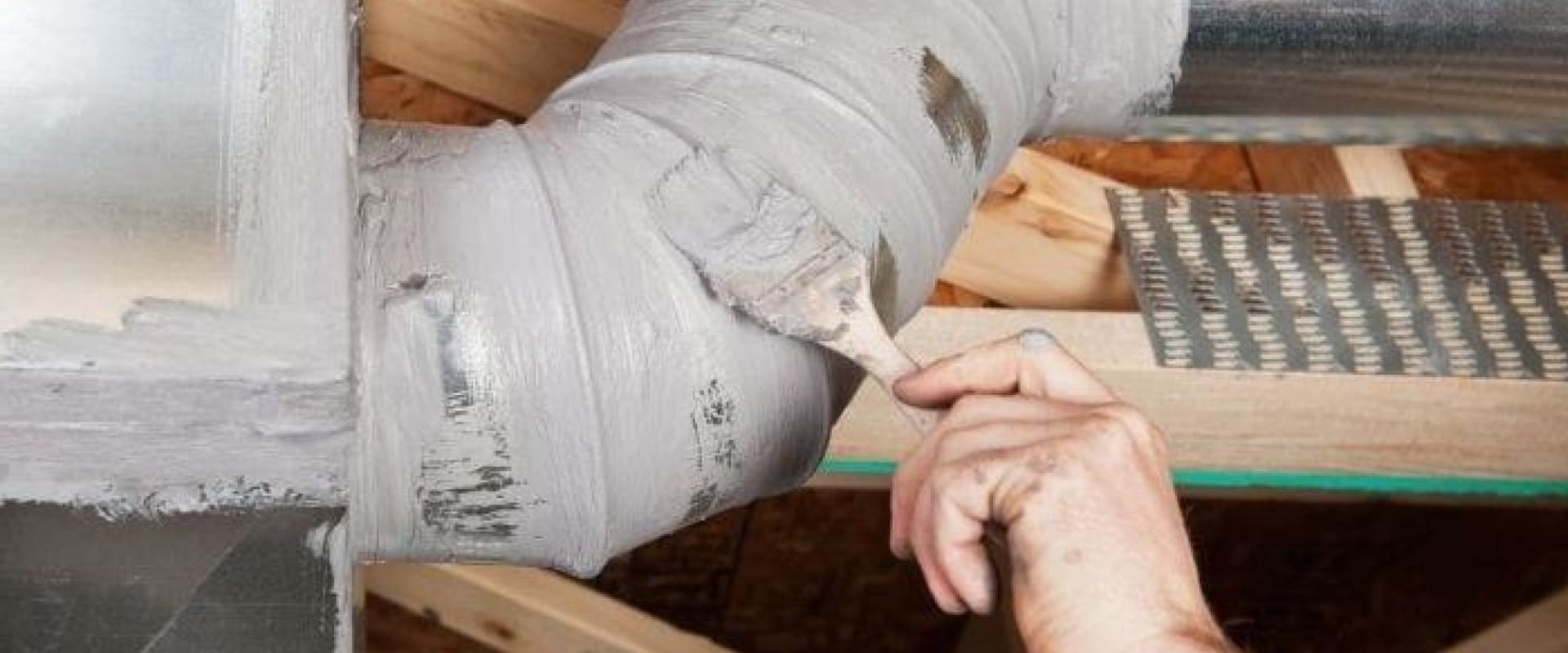
3.Sealing Leaks
Once the ducts are clean, the next step is to seal any identified leaks.
Professionals use various materials depending on the size and location of the leaks:
- Mastic sealant: A thick paste used for larger gaps.
- Foil tape: Ideal for smaller leaks and easy to apply.
- Acoustic sealant: Used in soundproofing applications.
4.Insulation
If your ducts run through unconditioned spaces like attics or crawl spaces, adding insulation is vital. Proper insulation helps maintain temperature and reduces energy loss.
5.Final Testing
After sealing, professionals will conduct a final test to ensure that all leaks have been effectively sealed. This may involve using a blower door test or infrared cameras to identify any remaining issues.
The Importance of Professional Services
While some homeowners may consider DIY methods for air duct sealing, hiring professionals is highly recommended for several reasons:
- Expertise: Professionals have the training and experience to identify all potential issues.
- Quality Materials: They use high-quality materials that ensure long-lasting results.
- Comprehensive Solutions: Professionals can provide additional services such as duct cleaning and insulation.
- Savings on Energy Bills: Properly sealed ducts lead to significant energy savings over time.
Common Signs Your Ducts Need Sealing
Recognizing the signs that your air ducts need sealing is crucial for maintaining an efficient HVAC system and ensuring a comfortable living environment.Homeowners should be vigilant for several indicators that suggest their ducts may be leaking or poorly sealed.
- Inconsistent Temperatures: One of the most noticeable signs of leaky ducts is uneven heating or cooling throughout your home. If certain rooms are significantly warmer or cooler than others, it may indicate that conditioned air is escaping through gaps in the ductwork.
- Increased Energy Bills: A sudden spike in your energy bills can be a red flag. If your HVAC system is working harder to maintain the desired temperature due to air loss, it will consume more energy, leading to higher costs.
- Unusual Noises: If you hear whistling, hissing, or other unusual sounds coming from your ducts, it could be a sign of air escaping through leaks. These noises often indicate that the airflow is being disrupted, which can affect the efficiency of your system.
- Dust Accumulation: Excessive dust around your home, particularly near vents and registers, can suggest that outside contaminants are entering through leaky ducts.
This not only affects indoor air quality but can also lead to respiratory issues for occupants.
- Odors: If you notice strange smells when your HVAC system is running, it could mean that outside air is being drawn into the ductwork through leaks. This can introduce unpleasant odors and even harmful pollutants into your living space.
- Frequent HVAC Cycling: If your heating or cooling system seems to cycle on and off more frequently than normal, it may be struggling to maintain temperature due to air loss. This can lead to increased wear and tear on the system.
Consulting with a professional for a thorough inspection and potential duct sealing can help restore efficiency and improve indoor air quality.
FAQs About Air Duct Sealing
When it comes to air duct sealing, many homeowners have questions that stem from misconceptions or a lack of information. Below are some of the most frequently asked questions regarding this essential aspect of HVAC maintenance.What is air duct sealing?
Air duct sealing is the process of identifying and repairing leaks, holes, and gaps in your home’s ductwork. This ensures that conditioned air flows efficiently throughout your living space without escaping into unconditioned areas like attics or crawl spaces. Proper sealing can significantly enhance the performance of your heating and cooling systems.How do I know if my air ducts need sealing?
There are several signs that may indicate your air ducts require sealing:- Inconsistent temperatures: If certain rooms in your home are significantly warmer or cooler than others, it may be due to leaks in the ductwork.
- Higher energy bills: A sudden spike in your energy costs could suggest that your HVAC system is working harder due to air loss.
- Dust accumulation: Excessive dust around vents or in your home can indicate that outside contaminants are entering through leaks.
Is air duct sealing a DIY project?
While some homeowners may attempt to seal their ducts themselves using tape or mastic sealant, it is generally recommended to hire a professional.Experts have specialized tools and techniques to ensure a thorough job, which can lead to better long-term results. Additionally, professionals can conduct a comprehensive inspection to identify all potential leaks.
Will sealing my air ducts improve indoor air quality?
Yes, properly sealed ducts can significantly enhance indoor air quality. By preventing outside pollutants such as dust, allergens, and chemicals from entering your home through leaks, you create a healthier living environment for you and your family.How often should I have my ducts sealed?
The frequency of duct sealing depends on various factors including the age of your home, the condition of your HVAC system, and local environmental conditions. Generally, it’s advisable to have your ducts inspected every few years or whenever you notice signs of inefficiency.By addressing these common questions and misconceptions about air duct sealing, homeowners can make informed decisions that lead to improved energy efficiency and comfort in their homes.Conclusion: The Value of Properly Sealed Air Ducts
In summary, the significance of properly sealed air ducts cannot be overstated.Throughout this article, we have explored various aspects of air duct sealing and its profound impact on both energy efficiency and indoor air quality. By ensuring that your air ducts are well-sealed, you are not only enhancing the performance of your HVAC system but also contributing to a healthier living environment for you and your family.One of the most compelling reasons to invest in air duct sealing is the potential for substantial energy savings. Homeowners can expect to see reductions in their energy bills, often averaging around 20%. This is particularly important as energy costs continue to rise, making it essential for homeowners to find ways to cut expenses without sacrificing comfort.Moreover, sealing your air ducts plays a crucial role in prolonging the lifespan of your HVAC system.
When air leaks occur, the system must work harder to maintain desired temperatures, leading to increased wear and tear. By addressing these leaks, you can help ensure that your heating and cooling systems operate efficiently for years to come.Additionally, the health benefits associated with properly sealed air ducts are significant. Contaminants such as dust, allergens, and harmful gases can infiltrate your home through unsealed ducts, posing risks to your family's health. By sealing these ducts, you create a barrier that helps keep these pollutants at bay, resulting in improved indoor air quality.Finally, investing in professional duct sealing services not only enhances comfort and efficiency but also protects your home’s structural integrity.
Over time, poorly sealed ducts can lead to moisture issues and other problems that may compromise your home’s foundation and overall value.In conclusion, the value of properly sealed air ducts extends far beyond immediate financial savings. It encompasses health benefits, system longevity, and overall home comfort. For homeowners looking to optimize their living spaces while reducing energy consumption, investing in air duct sealing is a wise decision that pays dividends in multiple ways.