Air duct sealing is a critical yet often overlooked aspect of maintaining a healthy and energy-efficient home. It involves the process of identifying and sealing leaks in the ductwork that distributes heated or cooled air throughout your living spaces. These leaks can occur due to various factors, including age, wear and tear, or improper installation. When air ducts are not properly sealed, conditioned air escapes into unoccupied areas, leading to increased energy consumption and higher utility bills.
Understanding the importance of air duct sealing is essential for homeowners who wish to enhance their home's energy efficiency and improve indoor air quality.The benefits of sealing air ducts extend beyond just saving money on energy costs. By ensuring that your ductwork is airtight, you can significantly reduce the infiltration of dust, allergens, and other pollutants from outside or unconditioned spaces. This is particularly important for individuals with respiratory issues or allergies, as poor indoor air quality can exacerbate these conditions. Furthermore, effective duct sealing helps maintain consistent temperatures throughout your home, enhancing overall comfort for you and your family.In addition to improving energy efficiency and indoor air quality, sealing ducts can also prolong the lifespan of your HVAC system.
When your heating and cooling units do not have to work as hard to maintain desired temperatures, they experience less wear and tear, which can lead to fewer repairs and a longer operational life. As we delve deeper into the various advantages of air duct sealing, it becomes clear that this simple yet effective measure can yield significant returns on investment for homeowners.
The Importance of Energy Efficiency
Energy efficiency is a critical consideration for homeowners, not only for reducing monthly utility bills but also for contributing to a more sustainable environment. When it comes to HVAC systems, the efficiency of air ducts plays a pivotal role in overall energy consumption. Sealing air ducts effectively minimizes energy loss, ensuring that the heated or cooled air produced by your HVAC system reaches its intended destination without unnecessary waste.One of the primary benefits of duct sealing is its direct impact on energy savings.According to the U. S. Department of Energy, up to 30% of the energy used for heating and cooling can be lost due to leaks in ductwork. This means that homeowners are often paying for conditioned air that never actually makes it into their living spaces.
By sealing these leaks, homeowners can significantly reduce their energy consumption, leading to lower utility bills.Moreover, improved HVAC efficiency is another significant advantage of sealing ducts. When air leaks are present, the HVAC system must work harder to maintain the desired temperature within the home. This increased workload not only leads to higher energy costs but can also shorten the lifespan of the HVAC equipment due to excessive strain. By ensuring that ducts are properly sealed, homeowners can enhance the performance and longevity of their heating and cooling systems.In addition to financial savings, there is an environmental aspect to consider.
Reducing energy consumption through effective duct sealing contributes to a lower carbon footprint. As homes become more energy-efficient, they require less fossil fuel consumption for heating and cooling, which in turn decreases greenhouse gas emissions. This is particularly important in today’s climate-conscious society where every effort counts towards sustainability.Furthermore, energy efficiency can enhance the comfort level within a home. When ducts are sealed properly, temperature fluctuations are minimized, leading to a more consistent indoor climate.
Homeowners can enjoy a comfortable living environment without the discomfort of hot or cold spots caused by inefficient airflow.In summary, prioritizing energy efficiency through air duct sealing not only leads to substantial cost savings but also promotes a healthier planet and enhances overall home comfort. By investing in this essential maintenance task, homeowners can reap long-term benefits that extend beyond just their monthly bills.
Impact on Indoor Air Quality
Indoor air quality (IAQ) is a critical aspect of maintaining a healthy living environment, and air duct sealing plays a pivotal role in enhancing it. When ducts are not properly sealed, they can become conduits for various contaminants, including dust, mold spores, pollen, and even harmful chemicals from household products. These pollutants can circulate throughout the home, leading to respiratory issues and other health problems.One of the primary benefits of sealing air ducts is the prevention of these contaminants from infiltrating your living spaces.By ensuring that your ductwork is airtight, you significantly reduce the chances of unconditioned air entering your home. This is particularly important for homes located in areas with high levels of outdoor pollution or allergens.
How Duct Sealing Improves Air Quality
Sealing ducts not only prevents outside pollutants from entering but also helps to contain any dust or debris that may already be present within the duct system. Over time, dust can accumulate in unsealed ducts, creating a breeding ground for mold and bacteria. When the HVAC system operates, these contaminants can be blown into your living areas, compromising air quality.Moreover, sealed ducts enhance the efficiency of your HVAC system.
When air leaks occur, the system has to work harder to maintain desired temperatures, which can lead to increased humidity levels indoors. High humidity can exacerbate mold growth and dust mite populations, further deteriorating indoor air quality.
Contaminants Commonly Found in Ducts
- Dust and Dust Mites: These tiny creatures thrive in warm environments and can trigger allergies.
- Mold Spores: Mold can grow in damp areas of the ductwork, releasing spores into the air.
- Pollen: Seasonal allergens can enter through leaks and circulate indoors.
- Chemical Residues: Volatile organic compounds (VOCs) from cleaning products can accumulate in ducts.
By preventing contaminants from entering your home and reducing humidity levels, you foster a healthier atmosphere that benefits everyone in your household.
Identifying Duct Leaks: Signs and Symptoms
Identifying duct leaks early is essential for maintaining both energy efficiency and indoor air quality. Homeowners should be vigilant for several signs that may indicate the presence of air leaks in their ductwork.- Inconsistent Temperatures: One of the most noticeable symptoms of duct leaks is uneven heating or cooling throughout your home. If certain rooms are significantly warmer or cooler than others, it may be a sign that conditioned air is escaping through leaks in the ducts.
- Increased Energy Bills: A sudden spike in your utility bills can indicate that your HVAC system is working harder to compensate for lost air. If you notice a significant increase in costs without a corresponding change in usage, it’s time to investigate potential duct leaks.
- Unusual Noises: Listen for strange sounds coming from your ductwork, such as whistling or hissing.
These noises can be indicative of air escaping through gaps or holes in the ducts.
- Dust Accumulation: Excessive dust around vents or registers can signal that unconditioned air is being drawn into the system through leaks. This not only affects air quality but also places additional strain on your HVAC system.
- Humidity Issues: If you notice high humidity levels in your home, it could be due to outside air infiltrating through leaky ducts. This can lead to discomfort and potential mold growth, further compromising indoor air quality.
Additionally, using a smoke pencil or incense stick near joints and seams can help reveal airflow issues; if the smoke wavers or is drawn into the duct, there’s likely a leak present.If you suspect that your ducts are leaking but cannot locate the source, consider hiring a professional HVAC technician. They can conduct a thorough assessment using specialized tools such as blower doors and infrared cameras to pinpoint leaks accurately.Addressing these signs promptly not only enhances energy efficiency but also contributes to better indoor air quality, ensuring a healthier living environment for you and your family.
Methods for Sealing Ducts Effectively
When it comes to air duct sealing, homeowners have several options to consider, each with its own set of advantages and disadvantages. Understanding these methods can help you make an informed decision about how best to seal your ducts.Professional Duct Sealing Services
Hiring a professional for duct sealing is often the most effective approach, especially for those who are not familiar with HVAC systems. Professionals typically use advanced techniques and equipment, such as:- Blower Door Tests: This method involves using a fan to depressurize the home, allowing technicians to identify leaks more accurately.
- Infrared Cameras: These devices can detect temperature differences in ductwork, highlighting areas where air is escaping.
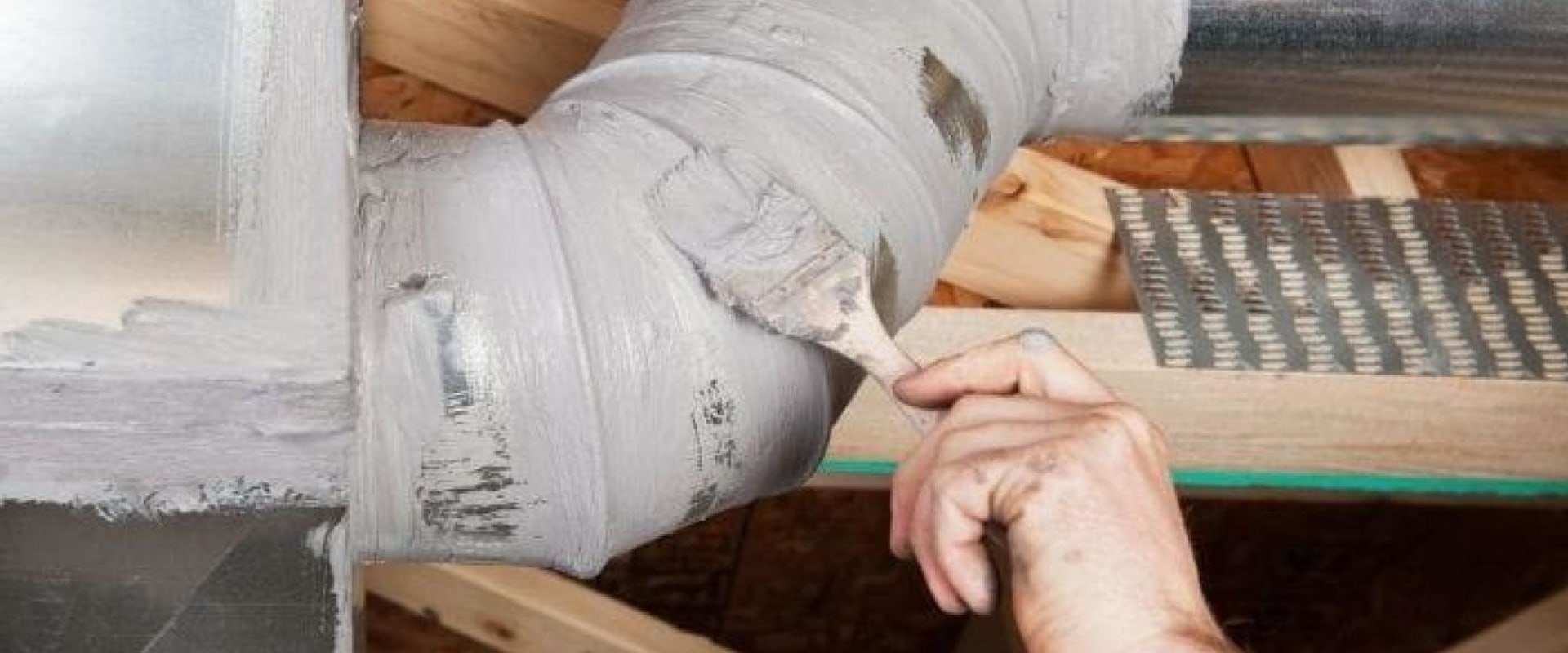
- Sealants and Mastic: Professionals often use specialized sealants that are more durable and effective than standard tape.
Pros:
- Thorough inspection and sealing of all ductwork.
- Access to advanced tools and techniques.
- Expertise in identifying hidden leaks that may be missed by untrained individuals.
Cons:
- Higher upfront costs compared to DIY methods.
- Scheduling and availability may be a concern.
DIY Duct Sealing Methods
If you prefer a hands-on approach, there are several DIY methods for sealing ducts that can be effective, particularly for minor leaks:- Duct Tape: While commonly used, it’s important to note that traditional duct tape may not hold up over time.
Instead, consider using foil tape designed specifically for HVAC applications.
- Mastic Sealant: This thick paste can be applied to seams and joints in ductwork. It provides a strong seal and is more durable than tape.
- Insulation: Adding insulation around ducts can help prevent air loss and improve energy efficiency.
Pros:
- Lower cost compared to hiring professionals.
- The ability to address visible leaks at your own pace.
Cons:
- Lack of expertise may lead to incomplete sealing or misdiagnosis of issues.
- The potential for safety hazards if not done correctly, especially in tight spaces.
The Role of Regular Maintenance and Inspections
Regular maintenance and inspections of your duct system are essential for ensuring the longevity and efficiency of your HVAC system. Just as you would routinely check your car or perform maintenance on your home appliances, your ductwork requires similar attention to function optimally.One of the primary reasons for conducting regular inspections is to identify potential issues before they escalate into costly repairs.Over time, ducts can develop leaks, become clogged with dust and debris, or suffer from wear and tear due to age. By scheduling routine inspections, homeowners can catch these problems early, allowing for timely repairs that can save both money and energy.
Importance of Duct Maintenance
- Enhanced Energy Efficiency: Regular maintenance helps ensure that your HVAC system operates at peak efficiency. When ducts are clean and sealed properly, the system doesn’t have to work as hard to heat or cool your home, leading to lower energy bills.
- Improved Indoor Air Quality: Dust, allergens, and other pollutants can accumulate in unmaintained ducts. Regular cleaning and inspections help remove these contaminants, promoting healthier indoor air quality for you and your family.
- Prolonged Equipment Life: An HVAC system that is well-maintained is less likely to experience breakdowns.
Regular inspections can help identify issues that could lead to premature failure, extending the lifespan of your heating and cooling equipment.
What to Expect During Inspections
During a professional duct inspection, technicians will typically assess the entire duct system for signs of damage or inefficiency. This includes checking for:
- Visible leaks or gaps in the ductwork
- Blockages caused by dust or debris
- Signs of mold or moisture accumulation
- The overall condition of insulation surrounding the ducts
Cost-Benefit Analysis of Duct Sealing
When considering the cost of duct sealing, homeowners often weigh the initial investment against the long-term benefits.The upfront costs can vary significantly based on factors such as the size of the home, the extent of ductwork, and the complexity of the sealing process. On average, homeowners can expect to pay between $300 and $1,000 for professional duct sealing services. While this may seem like a considerable expense, it is essential to look at the bigger picture.One of the most compelling reasons to invest in duct sealing is the potential for substantial savings on energy bills. Department of Energy, sealing and insulating ducts can improve energy efficiency by as much as 20%.
For an average household, this could translate to savings of $200 or more annually on heating and cooling costs. Over time, these savings can quickly offset the initial investment in duct sealing.Moreover, the return on investment (ROI) for duct sealing extends beyond mere energy savings. Improved indoor air quality can lead to fewer health issues related to allergens and pollutants that enter through leaky ducts. This is particularly beneficial for families with children, elderly members, or individuals with respiratory conditions.
By reducing exposure to harmful contaminants, homeowners may also see a decrease in medical expenses related to these health issues.In addition to health benefits, sealed ducts contribute to a more comfortable living environment. With better temperature regulation and reduced drafts, families can enjoy consistent heating and cooling throughout their homes. This enhanced comfort can lead to increased satisfaction with one’s living space, which is an invaluable benefit that is often overlooked in traditional cost-benefit analyses.Ultimately, while the cost of duct sealing may require an initial financial commitment, the long-term savings on energy bills combined with improved health outcomes and enhanced comfort make it a wise investment for homeowners looking to optimize their HVAC systems.
Frequently Asked Questions about Air Duct Sealing
When considering air duct sealing, many homeowners have questions and concerns. Addressing these frequently asked questions can help clarify the process and its benefits, ensuring that you make an informed decision.What is air duct sealing?
Air duct sealing involves identifying and repairing leaks in your home’s ductwork.This process ensures that conditioned air (heated or cooled) travels efficiently through the ducts without escaping into unconditioned spaces like attics or crawl spaces. By sealing these leaks, homeowners can enhance energy efficiency and improve indoor air quality.
How do I know if my ducts need sealing?
There are several signs that may indicate your ducts require sealing:- Inconsistent temperatures: If certain rooms in your home are significantly warmer or cooler than others, it may be due to air leaks.
- High energy bills: A sudden increase in your utility bills could suggest that your HVAC system is working harder due to air loss.
- Dust accumulation: Excessive dust around vents or in your home can indicate that outside air is entering through leaks.
- Unusual noises: Whistling or hissing sounds from the ducts may signal air escaping through gaps.
Is air duct sealing worth the investment?
Absolutely! The benefits of sealing ducts often outweigh the initial costs. Homeowners can expect:- Lower energy bills: Sealing ducts can lead to significant savings on heating and cooling costs.
- Improved comfort: A well-sealed duct system helps maintain consistent temperatures throughout your home.
- Enhanced indoor air quality: Sealing prevents contaminants from entering the duct system, leading to cleaner air.
Are there any misconceptions about duct sealing?
Yes, several misconceptions exist regarding air duct sealing. Here are a few common ones:- Duct sealing is unnecessary: Many homeowners believe their ducts are fine as they are.
However, even small leaks can lead to significant energy loss.
- Duct sealing is a DIY project: While some minor repairs can be done by homeowners, professional assessment and sealing ensure thoroughness and effectiveness.
- Duct sealing is only for older homes: Newer homes can also have duct issues due to construction errors or settling over time.
Conclusion: The Essential Benefits of Sealing Your Ducts
In summary, the importance of air duct sealing cannot be overstated. Throughout this article, we have explored the multifaceted benefits that come with properly sealing your ducts, emphasizing how it significantly enhances both energy efficiency and indoor air quality.First and foremost, sealing your ducts leads to a remarkable reduction in energy waste. By eliminating leaks, homeowners can ensure that the conditioned air produced by their HVAC systems reaches its intended destinations without unnecessary loss. This not only translates to lower utility bills but also contributes to a more sustainable environment by reducing overall energy consumption.Moreover, the impact on indoor air quality is profound.Sealed ducts prevent contaminants from infiltrating your living spaces, which is crucial for maintaining a healthy home environment. Dust, allergens, and other pollutants can easily enter through unsealed ducts, exacerbating respiratory issues and allergies. By investing in duct sealing, you are taking a proactive step towards safeguarding your family's health.Additionally, improved comfort levels are a significant advantage of sealing ducts. Homeowners often experience uneven temperatures in different rooms due to air leaks.
By ensuring that your ductwork is airtight, you can achieve consistent heating and cooling throughout your home, enhancing overall comfort for you and your family.Finally, regular maintenance and inspections of your duct system are essential to ensure its longevity and efficiency. By addressing any potential issues early on, you can avoid costly repairs down the line and keep your HVAC system running smoothly.In conclusion, the benefits of air duct sealing extend far beyond mere energy savings. From improving indoor air quality to enhancing comfort and prolonging the life of your HVAC system, the advantages are clear. We encourage homeowners to take action by consulting with professionals who can assess their ductwork and implement effective sealing solutions.
Investing in duct sealing is not just a smart financial decision; it is a commitment to creating a healthier and more comfortable living environment.