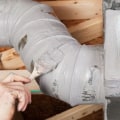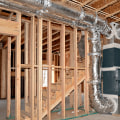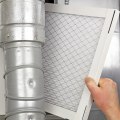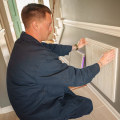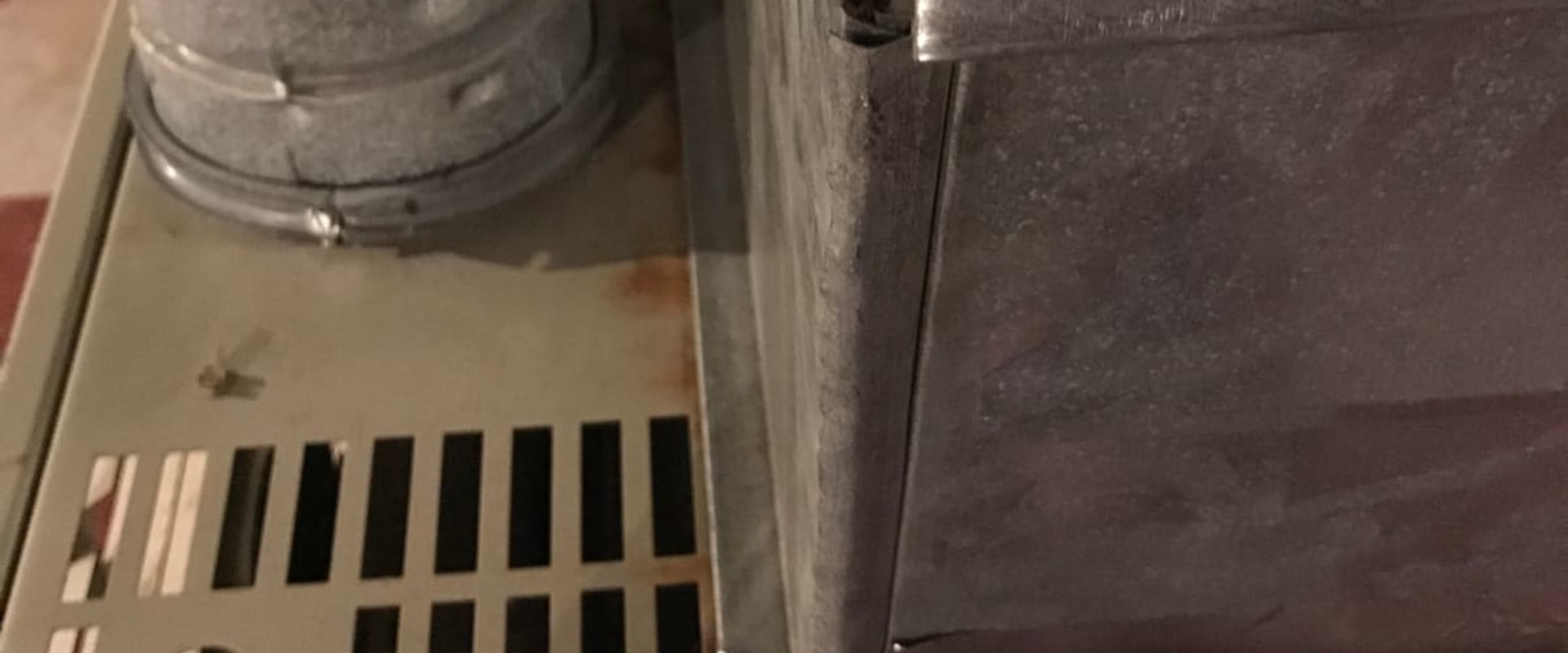
Air duct sealing is a crucial yet often overlooked aspect of maintaining a comfortable and energy-efficient home. It involves the process of identifying and sealing leaks, gaps, and holes in your air duct system, which can significantly impact the overall performance of your heating, ventilation, and air conditioning (HVAC) system. When air ducts are not properly sealed, conditioned air can escape into unconditioned spaces, leading to increased energy consumption and higher utility bills. Understanding the importance of air duct sealing is essential for homeowners who wish to optimize their home's energy efficiency.The benefits of air duct sealing extend beyond just cost savings.
A well-sealed duct system ensures that the air you pay to heat or cool is effectively delivered to the intended rooms in your home. This not only enhances comfort by maintaining consistent temperatures throughout your living spaces but also reduces the workload on your HVAC system. Consequently, this can lead to a longer lifespan for your equipment and fewer repairs over time. Moreover, sealing ducts can improve indoor air quality by preventing dust, allergens, and other pollutants from entering your living environment.The process of air duct sealing typically begins with a thorough inspection of the ductwork to identify any potential leaks or inefficiencies.
Professionals often use specialized tools such as blower doors or smoke pencils to detect these issues accurately. Once identified, various sealing methods—such as mastic sealant, foil tape, or even spray foam—are employed to ensure that all leaks are effectively closed off. This meticulous approach not only maximizes energy efficiency but also contributes to a healthier home environment.
The Financial Advantages of Sealing Air Ducts
Sealing air ducts is not just a matter of improving comfort; it also presents significant financial advantages that can lead to substantial savings over time. Homeowners often overlook the impact of air duct sealing on their energy bills, but the reality is that this investment can yield impressive returns.One of the most compelling reasons to consider air duct sealing is the potential for cost savings.According to the U. S. Department of Energy, sealing and insulating ducts can improve HVAC system efficiency by as much as 20%. This means that for every dollar spent on heating or cooling, you could save up to 20 cents simply by ensuring your ducts are airtight.
For an average household, this could translate into annual savings ranging from $200 to $400, depending on energy usage and local utility rates.Moreover, a study conducted by the Environmental Protection Agency (EPA) found that homes with sealed ducts experience a reduction in energy consumption by approximately 10% to 30%. This reduction not only lowers monthly utility bills but also contributes to a more sustainable environment by decreasing overall energy demand.The return on investment (ROI) for air duct sealing is another critical factor to consider. Many homeowners are surprised to learn that the costs associated with sealing ducts can often be recouped within two to three years. According to research from Energy Star, the average ROI for duct sealing projects can exceed 100%, making it one of the most financially sound home improvement decisions.In addition to direct savings on energy bills, sealed air ducts can enhance the lifespan of your HVAC system.
When ducts are leaking, your heating and cooling systems must work harder to maintain desired temperatures, leading to increased wear and tear. By investing in air duct sealing, you not only save money on energy costs but also reduce the likelihood of costly repairs or premature replacements of your HVAC equipment.In summary, the financial benefits of sealing air ducts are clear. From immediate savings on energy bills to long-term ROI and enhanced system longevity, this investment pays off in multiple ways. Homeowners should consider these factors when evaluating their home’s energy efficiency and overall comfort.
Improving Indoor Air Quality Through Duct Sealing
One of the most significant yet often overlooked advantages of air duct sealing is its profound impact on indoor air quality.Many homeowners are unaware that the air circulating within their homes can be laden with dust, allergens, and various pollutants. When air ducts are not properly sealed, these contaminants can easily infiltrate the air supply, leading to a range of health issues for residents.By sealing air ducts, you create a barrier that prevents unwanted particles from entering the ventilation system. This is particularly important for households with members who suffer from allergies or respiratory conditions. Common allergens such as pollen, pet dander, and mold spores can find their way into unsealed ducts, exacerbating symptoms and reducing overall comfort.
Reducing Allergens in Your Home
Sealing your air ducts can significantly reduce the presence of allergens in your home.When ducts are sealed effectively, they minimize the entry points for outdoor allergens and indoor irritants. This means that less dust and fewer allergens will circulate through your living spaces, leading to cleaner air and a healthier environment.
- Pollen: During certain seasons, pollen can infiltrate homes through unsealed ducts, aggravating allergy sufferers.
- Pet Dander: For pet owners, sealing ducts helps contain dander and fur, preventing it from spreading throughout the home.
- Mold Spores: Moisture can accumulate in unsealed ducts, creating an ideal environment for mold growth. Sealing helps mitigate this risk.
Minimizing Pollutants
In addition to allergens, unsealed air ducts can also allow harmful pollutants to circulate within your home. These pollutants may include volatile organic compounds (VOCs) emitted from household products, smoke from cooking or tobacco use, and even chemicals from cleaning agents.By ensuring that your air ducts are sealed properly, you can significantly reduce the likelihood of these harmful substances entering your indoor air supply.Moreover, sealed ducts contribute to better filtration efficiency. When air leaks occur in the ductwork, the HVAC system has to work harder to maintain desired temperatures. This increased workload can lead to more dust and debris being pulled into the system, which may not be adequately filtered out. Sealing ducts allows for improved airflow and enhances the performance of your air filters.In conclusion, investing in air duct sealing not only improves energy efficiency but also plays a crucial role in enhancing indoor air quality.
By reducing allergens and pollutants circulating in your home, you create a healthier living environment for you and your family.
Enhancing Comfort with Proper Air Distribution
One of the most significant advantages of air duct sealing is its ability to enhance air distribution throughout your home. When air ducts are properly sealed, they function more effectively, allowing conditioned air to flow freely and evenly into every room. This leads to a more comfortable living environment, where temperature variations between rooms are minimized.In many homes, certain areas may feel significantly warmer or cooler than others, creating discomfort for residents. This inconsistency often arises from leaks in the ductwork that allow air to escape before it reaches its intended destination.By sealing these leaks, you can ensure that the air produced by your HVAC system is delivered efficiently, resulting in:
- Improved Temperature Consistency: Sealed ducts help maintain a uniform temperature across all rooms. This means that you can enjoy a comfortable atmosphere without having to constantly adjust your thermostat.
- Enhanced Comfort Levels: With better air distribution, every room in your home can achieve the desired temperature. This is particularly beneficial in larger homes or those with multiple levels, where temperature discrepancies are common.
- Reduced HVAC Strain: When air ducts are sealed properly, your HVAC system doesn’t have to work as hard to maintain the desired temperature. This not only prolongs the lifespan of your system but also contributes to lower energy bills.
When air leaks occur, unconditioned air from outside can enter the duct system, bringing with it dust, allergens, and pollutants. By ensuring that your ducts are airtight, you can prevent these unwanted particles from circulating in your home, leading to a healthier living environment.In conclusion, investing in air duct sealing is not just about energy savings; it’s also about enhancing the overall comfort of your home. With improved air distribution and consistent temperatures, you can create a more enjoyable living space for you and your family.
Extending the Lifespan of Your HVAC System
Sealing air ducts is not just about improving energy efficiency; it plays a crucial role in enhancing the longevity of your HVAC system. When air ducts are properly sealed, they create a more balanced airflow throughout your home, which significantly reduces the workload on your heating and cooling systems.Understanding HVAC Strain
Every time your HVAC system operates, it works to maintain a comfortable temperature by pushing air through the ductwork.
If there are leaks or gaps in the ducts, the system has to work harder to compensate for the lost air. This increased effort can lead to:
- Increased Energy Consumption: A system that struggles to maintain temperature will consume more energy, leading to higher utility bills.
- Frequent Cycling: An overworked HVAC system may cycle on and off more frequently, which can lead to premature wear on components.
- Higher Maintenance Needs: More strain means more frequent repairs and maintenance, increasing overall costs.
The Benefits of Sealed Ducts
By sealing air ducts effectively, homeowners can experience several benefits that contribute to the longevity of their HVAC systems:
- Reduced Wear and Tear: With less strain on the system, components such as the compressor and blower motor experience less wear, extending their operational life.
- Improved Air Quality: Sealed ducts prevent dust and allergens from entering the airflow, reducing the need for frequent filter changes and cleaning.
- Consistent Temperature Control: A well-sealed duct system ensures that every room receives an even distribution of air, reducing hot or cold spots that can cause the system to overcompensate.
Long-Term Savings
Investing in air duct sealing not only enhances comfort but also translates into long-term savings. By reducing the frequency of repairs and extending the lifespan of your HVAC system, homeowners can save significantly on both maintenance costs and energy bills. In fact, many homeowners report a decrease in their annual HVAC expenses after sealing their ducts.In conclusion, sealing air ducts is a proactive measure that not only improves energy efficiency but also plays a vital role in extending the lifespan of your HVAC system.
By minimizing strain and ensuring optimal performance, you can enjoy a comfortable home environment while protecting your investment in heating and cooling equipment.
The Environmental Impact of Air Duct Sealing
Sealing air ducts is not just a matter of improving comfort and reducing energy bills; it also plays a significant role in promoting environmental sustainability. By ensuring that your air ducts are properly sealed, you can contribute to energy conservation efforts that have far-reaching effects on our planet.One of the primary environmental benefits of air duct sealing is the reduction in energy consumption. When air ducts are leaky, your HVAC system has to work harder to maintain the desired temperature in your home. This increased workload leads to higher energy usage, which often translates into greater carbon emissions from power plants.By sealing these ducts, you can enhance the efficiency of your heating and cooling systems, thereby reducing the overall energy demand.According to the U. Department of Energy, sealing and insulating ducts can improve HVAC efficiency by up to 20%. This means that less energy is required to heat or cool your home, which not only lowers your utility bills but also decreases the amount of fossil fuels burned for electricity generation. As a result, you are actively participating in efforts to reduce greenhouse gas emissions and combat climate change.Moreover, when you seal your air ducts, you help minimize the release of pollutants into the atmosphere.
Leaky ducts can allow dust, allergens, and other harmful particles to enter your home, which can lead to poor indoor air quality. By preventing these contaminants from circulating, you not only create a healthier living environment for yourself and your family but also reduce the need for additional air purification systems that consume more energy.In addition to these direct benefits, there is a broader impact on community resources. When homes are more energy-efficient due to effective duct sealing, there is less strain on local power grids. This can lead to fewer power outages and reduced infrastructure costs for municipalities.
Furthermore, as more homeowners adopt energy-efficient practices like duct sealing, it encourages a cultural shift towards sustainability within communities.In conclusion, the environmental impact of sealing air ducts extends beyond individual households. It contributes significantly to energy conservation efforts and helps reduce our collective carbon footprint. By investing in air duct sealing, you are not only enhancing your home's efficiency but also playing a vital role in protecting our planet for future generations.
Common Myths About Air Duct Sealing Debunked
When it comes to air duct sealing, several myths and misconceptions can cloud homeowners' understanding of its benefits and necessity. Addressing these misunderstandings is crucial for making informed decisions about home energy efficiency.Myth 1: Air Duct Sealing is Only Necessary in Older Homes
Many believe that only older homes require duct sealing, but this is not the case.
Newer homes can also experience air leaks due to poor installation or settling over time. Regardless of the age of your home, conducting a thorough inspection can reveal hidden leaks that compromise energy efficiency.
Myth 2: Sealing Ducts Will Reduce Airflow
Another common misconception is that sealing ducts will restrict airflow, leading to uneven heating or cooling. In reality, properly sealed ducts enhance airflow by eliminating leaks that cause pressure imbalances. This ensures that conditioned air reaches every room effectively, improving overall comfort.
Myth 3: DIY Duct Sealing is Just as Effective as Professional Services
While some homeowners may attempt to seal their ducts themselves, professional services offer expertise and specialized equipment that ensure a thorough job.
Professionals can identify hard-to-find leaks and apply appropriate sealing methods, which significantly increases the effectiveness of the sealing process.
Myth 4: Duct Sealing is Too Expensive
Many homeowners shy away from air duct sealing due to perceived high costs. However, the long-term savings on energy bills often outweigh the initial investment. In fact, studies show that homeowners can recover their costs within a few years through reduced energy expenses.
Myth 5: Sealed Ducts Lead to Mold Growth
Some believe that sealing ducts can trap moisture and lead to mold growth. However, when ducts are sealed properly and the HVAC system is maintained, moisture levels can be controlled effectively.
Regular maintenance and inspections help prevent mold issues while ensuring optimal air quality.By debunking these myths, homeowners can better understand the importance of air duct sealing. Making informed decisions based on facts rather than misconceptions will lead to improved energy efficiency, comfort, and overall home health.
How to Identify If Your Ducts Need Sealing
Identifying whether your air ducts require sealing is crucial for maintaining an energy-efficient home. There are several signs and methods you can use to assess the condition of your ducts and determine if they are leaking.Signs of Leaky Ducts
- Inconsistent Temperatures: If certain rooms in your home are significantly warmer or cooler than others, it may indicate that your ducts are leaking. Uneven temperature distribution often points to air escaping through gaps or cracks.
- Increased Energy Bills: A sudden spike in your heating or cooling costs can be a red flag.
If your HVAC system is working harder to maintain the desired temperature due to air loss, it will reflect in your monthly bills.
- Unusual Noises: Listen for whistling or hissing sounds coming from your ductwork. These noises can indicate that air is escaping through leaks, which can also lead to reduced efficiency.
- Dust Accumulation: If you notice excessive dust around your home or on your vents, it could mean that outside air is being drawn into the duct system through leaks, bringing dust and allergens with it.
How to Check Ducts for Leaks
Performing a visual inspection of your ductwork can help you identify potential leaks. Here are some steps to follow:- Inspect Accessible Ducts: Look for visible signs of wear, such as cracks, holes, or disconnected sections in the ductwork. Pay special attention to joints and seams where leaks are most likely to occur.
- Check Insulation: Ensure that any insulation around the ducts is intact and not damaged.
Gaps in insulation can lead to significant energy loss.
- Use a Smoke Pencil: A smoke pencil or incense stick can help visualize airflow. Move the smoke around the duct joints; if the smoke is drawn away from the joint, you likely have a leak.
Symptoms of Poor Duct Performance
If you experience any of the following symptoms, it may be time to consider sealing your ducts:- Frequent HVAC Cycling: If your heating or cooling system turns on and off more frequently than normal, it may be struggling due to air loss.
- Mold Growth: The presence of mold around vents or in areas where ducts run can indicate moisture issues caused by poor sealing.
- Pest Infestations: Unsealed ducts can allow pests like rodents and insects to enter your home, leading to potential health risks and further damage.
Conclusion: The Comprehensive Benefits of Air Duct Sealing
In conclusion, the advantages of air duct sealing extend far beyond mere cost savings on energy bills. Homeowners who invest in this essential maintenance task can expect a multitude of benefits that enhance both the comfort and efficiency of their living spaces.First and foremost, sealing air ducts significantly improves the overall energy efficiency of your HVAC system. By eliminating leaks, you ensure that the conditioned air produced by your heating and cooling systems is effectively delivered to every room in your home.This not only leads to a more consistent temperature throughout your living space but also reduces the workload on your HVAC system, potentially extending its lifespan.Moreover, air duct sealing plays a crucial role in improving indoor air quality. When ducts are sealed properly, they prevent dust, allergens, and other pollutants from entering your home’s air supply. This is particularly beneficial for individuals with allergies or respiratory issues, as it creates a healthier living environment.Additionally, the financial implications of sealing air ducts cannot be overlooked. With potential energy savings ranging from 10% to 30%, homeowners can recoup their investment in duct sealing within just a few years.
This makes it one of the most cost-effective home improvement projects available.Furthermore, the process of sealing ducts can uncover other underlying issues within your HVAC system that may need attention. A professional inspection often reveals additional areas for improvement, such as insulation deficiencies or outdated equipment, allowing homeowners to address these problems proactively.In summary, air duct sealing is not merely a maintenance task; it is a strategic investment in your home’s efficiency, comfort, and health. By prioritizing this essential service, homeowners can enjoy a more comfortable living environment while also contributing to long-term energy savings and improved indoor air quality.